Josh’s field book
Painting tips from the crew in Lindale.
Josh Reeves and his crew in Lindale give this advice away: how to pick a color, how much to buy, what to do before the first brush touches the wall, and what to leave alone afterwards. Use it on your own walls in Lindale, Tyler or Longview, or just to check that whoever you hire is doing the same.
If you would rather hand the whole thing over, the residential painting page explains how the crew does it for you.
Before you buy
Color, coverage and chemistry.
- Finding your true colors
- Buy only a quart of the color you want to use and paint it on a foam board. Place the painted board in different spots in a room to see how natural and artificial lighting affects the color.
- How much paint to buy
- We recommend one gallon for every 400 square feet. Textured, rough or unprimed surfaces may require more.
- Oil and water don’t mix
- Never apply latex, water-based paint on an oil finish and vice versa. To find out what is on your wall, apply some rubbing alcohol to a dry white cloth and rub it on the surface or wall. If the paint softens and transfers to the cloth, it is water-based latex.
- Eco-friendly paint
- Choose paint with low VOCs. These are often identified with a green seal.
One gallon. 400 square feet.
That is the crew’s rule of thumb for how far a gallon goes. Rough walls, texture and bare, unprimed drywall drink more, so buy with a little room to spare.
Prep work
Proper preparation prevents poor performance.
- Clean
- Clean walls, ceilings and all surfaces with a simple solution of TSP and water before painting. Rinse lightly and allow to dry overnight.
- Tape and floor protection
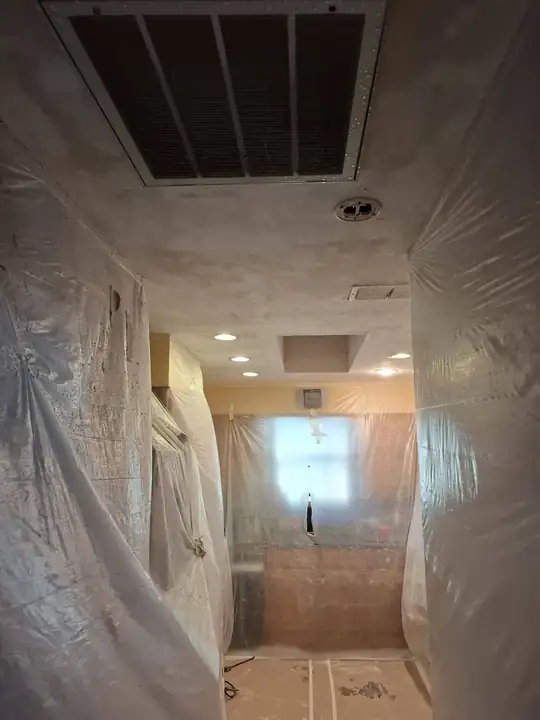
- Overlap tape at the edges to avoid seepage and seal tightly. Plastic sheets can get slippery and cause hazards. As an alternative to taping, use a good quality painter’s edger to save time.
- Paintbrushes
- Use nylon and synthetic brushes for latex paint. Oil-based paint performs better with natural bristles like ox hair. Wrap brushes in plastic, seal with a rubber band and hang upside down to maintain shape.
- Fill
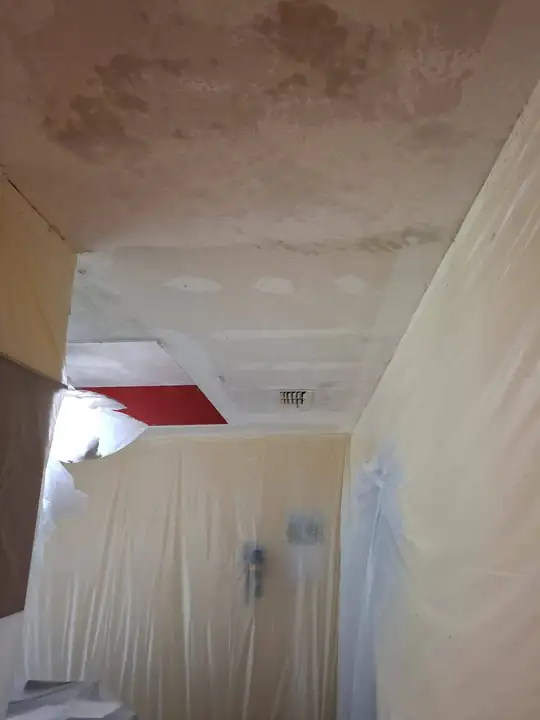
- Use spackle to fill in any holes and cracks prior to painting, using a wide, flat blade tool. Let dry, sand until smooth and apply primer to each spot.
- Remove
- Tape screws to the base covers when removing electrical outlet covers for a much neater job.
- Allow for drying time
- Wait at least 24 hours before bringing furniture back into a freshly painted room. Allow 30 days before washing.
Quick tip
If you take a break while painting, cover rollers in plastic wrap and refrigerate them so they won’t dry up.
Choosing a painter
What good painters know.
Hiring someone? Hold them to these. More on the work itself is on the interior and exterior painting page.
- Drop cloths
- Painters should never use bedsheets or other light fabrics to cover the floor, since paint can soak right through them. High quality drop cloths are absolutely necessary for any interior painting job.
- Prep first
- Good painters never skip surface preparation.
- Priming
- Some painters might spot prime ceilings, but professionals will never spot prime walls, since the spots will show through.
- Polyester or nylon
- Polyester brushes are stiffer, so they suit exterior painting and textured surfaces. Nylon brushes are softer and better for interior painting.
- Top down
- Experienced painters work from the top down and leave the baseboard molding for last.
Questions about estimates, start dates or paint brands? They are answered on the questions page. Or call Josh’s crew and ask in person.