Choosing a painter starts at the floor
Reeves Painting has a short list of things a good painter never does, and the first one is on the floor. Bedsheets and other light fabrics are not floor protection, because paint soaks straight through them. High quality drop cloths are absolutely necessary for any interior painting job, and that is what goes down in your living room, your hall and your bedrooms before anything else happens.
The second rule is that good painters never skip surface preparation. A coat of paint is only as good as the wall under it, so plaster repairs, sanding, scraping, priming and caulking come before color. Reeves Painting lists professional priming and prep as its own service line for a reason: it is where the finish is won or lost.
The third is a line Josh Reeves puts in his own words. Remodeling and repaint projects always look like organized chaos from the outside, and at Reeves Painting they never forget that organized is the operative word. Furniture and belongings are protected, and the work area is left organized from the first drop cloth to the last clean up.
Inside: priming, brushes and the order of work
Some painters will spot prime a ceiling, but professionals never spot prime walls, because the patch shows through the finish coat. On walls the right move is to fill holes and cracks with spackle using a wide, flat blade, let it dry, sand it smooth and prime each spot. That is the difference between a wall that looks even in a hallway window and one that shows every patch.
Brushes matter more than most homeowners expect. Nylon brushes are softer and better for interior painting, while polyester brushes are stiffer and suit exterior work and textured surfaces. As a rule on any job, nylon and synthetic brushes are for latex paint, and oil-based paint performs better with natural bristles. Wrap a brush in plastic, seal it with a rubber band and hang it upside down, and it keeps its shape between coats.
Experienced painters work from the top down and leave the baseboard molding for last. Ceilings first, then walls, then trim, so drips and spatter fall onto surfaces that have not been finished yet. Their interior list also covers crown molding and baseboard, installation and removal of drywall, specialty work such as cabinetry, low fume green paint products, and an organized clean up when the job wraps.
Outside: the prep list is most of the job
An exterior repaint in East Texas starts with water. The crew power washes first, then sands and scuffs, fills and repairs, and caulks, so the new coat is not asked to hold onto chalky paint, dirt or a failing seam. Rusted exterior metal is cleaned of rust, and bare surfaces get a priming coat before any color goes on.
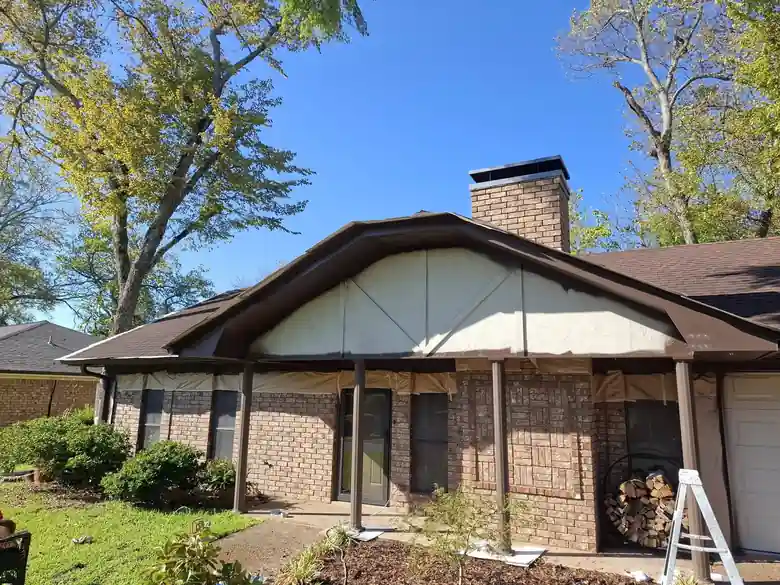
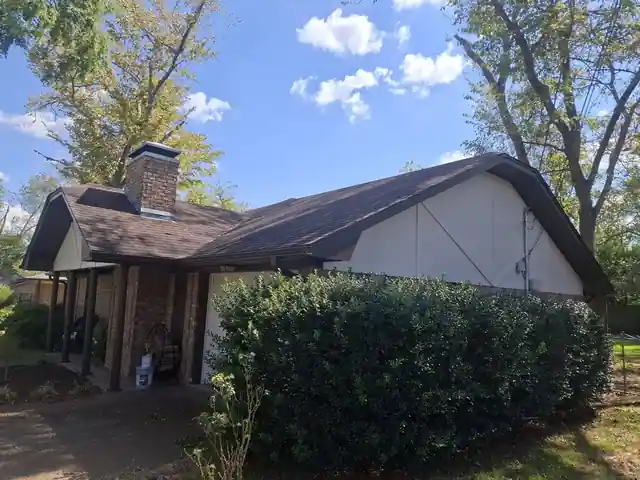
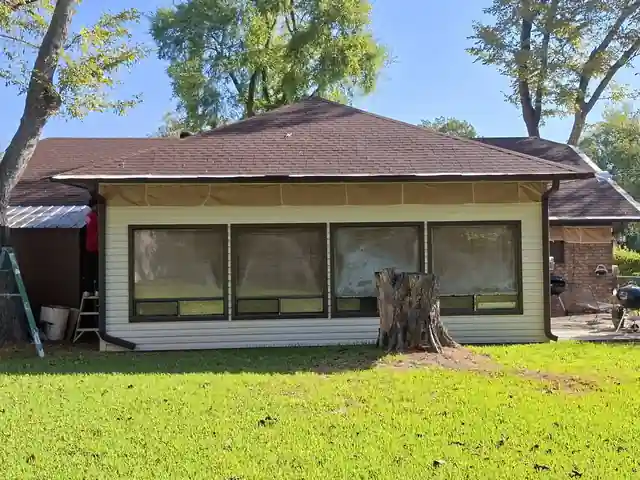
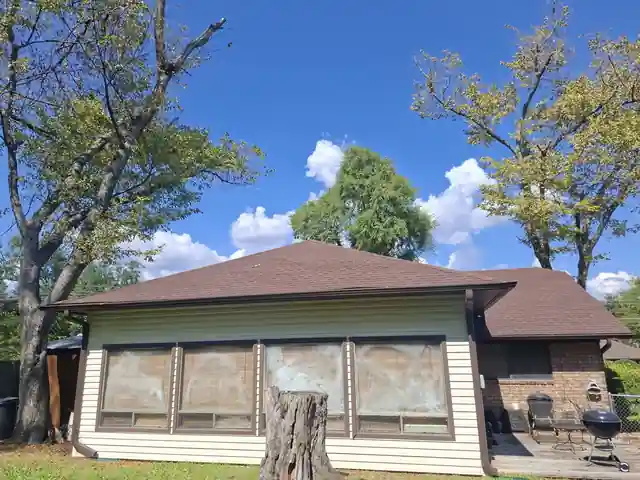
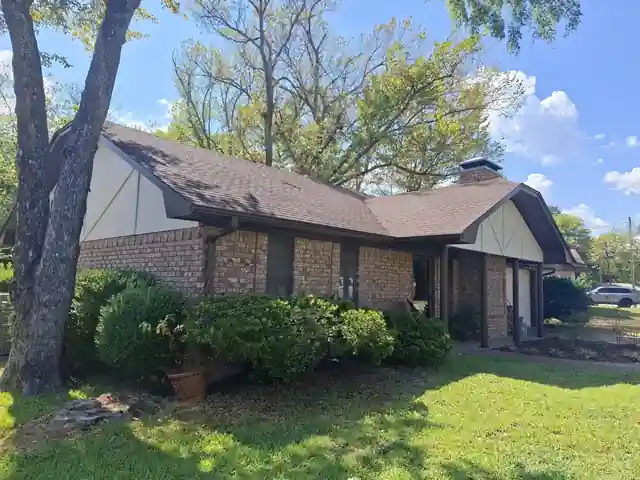
Taping and the rest of the prep come next: masking windows in brown paper, taping the trim, and protecting the landscape, furniture and fixtures around the house. The job photos on this page show it. A brick ranch with every window papered over, cream gable panels freshly coated, and a ladder leaning on the corner. The paint list itself covers sidings, windows, trims, doors and banisters, and the crew finishes with sweeping and washing for the clean up. Environmentally safe products are part of the exterior service list.
Paint quantity is the other quiet detail. Their rule of thumb is one gallon for every 400 square feet, and textured, rough or unprimed surfaces such as old siding, stucco or bare wood may take more. It is better to know that at the estimate than at the end of the first day.
The exterior checklist Reeves Painting works from
There are many factors to consider when painting the outside of a commercial or residential property. Seasonal weather changes, color compatibility with the structural materials already there, and keeping a unified look with neighboring elements are all on the professional painting checklist their staff works from. Brick and stone do not change color, so the paint has to be chosen with them, not against them.
For homeowners in Lindale, Tyler and Longview, that checklist is also a color conversation. A painting professional visits, helps with color selection and sets a date for prep, and the estimate arrives in writing. If you are torn between two colors, buy a quart of each, paint a foam board and move it around the house in morning and evening light before you decide.
When you are ready to start, see how the whole residential process runs on the residential painting page, browse Josh's written tips, or look at the gallery of exterior jobs. The contact page is where a free estimate begins.